
When water damage clean up cannot wait, every minute counts. A flooded home or commercial property can go from a manageable restoration job to a full structural rebuild in 24 to 48 hours if the right steps are skipped. Whether the source is a burst pipe, a storm surge, or a backed-up drain, the decisions you make in the first few hours determine how much of your property you save and how smoothly your insurance claim goes.
Here is what you will learn in this guide:
- What to do first: The immediate safety and documentation steps that protect you and your claim before any cleanup begins.
- How to stop damage from spreading: The extraction, drying, and ventilation actions that prevent mold, warping, and structural decay.
- When to call a professional: The clear signs that a DIY approach will cost more in the long run and why a licensed contractor makes a difference.
Why Acting Fast After Water Damage Is Non-Negotiable
Time is the single biggest factor in how severe water damage becomes. Every hour that standing water sits on floors, soaks into drywall, or saturates subflooring compounds the destruction. Wood begins to warp, drywall turns to mush, and mold spores find the moisture they need to colonize surfaces.
The science is clear on this point. The U.S. Environmental Protection Agency states directly that water-damaged areas and materials must be dried within 24 to 48 hours to prevent mold growth, and that in most cases mold will not grow if that window is met.
Acting within that window is not just about saving floors and walls. It is about keeping your insurance adjuster cooperative, preserving indoor air quality, and protecting the long-term value of your property.
How Quickly Can Mold Grow After Water Damage?
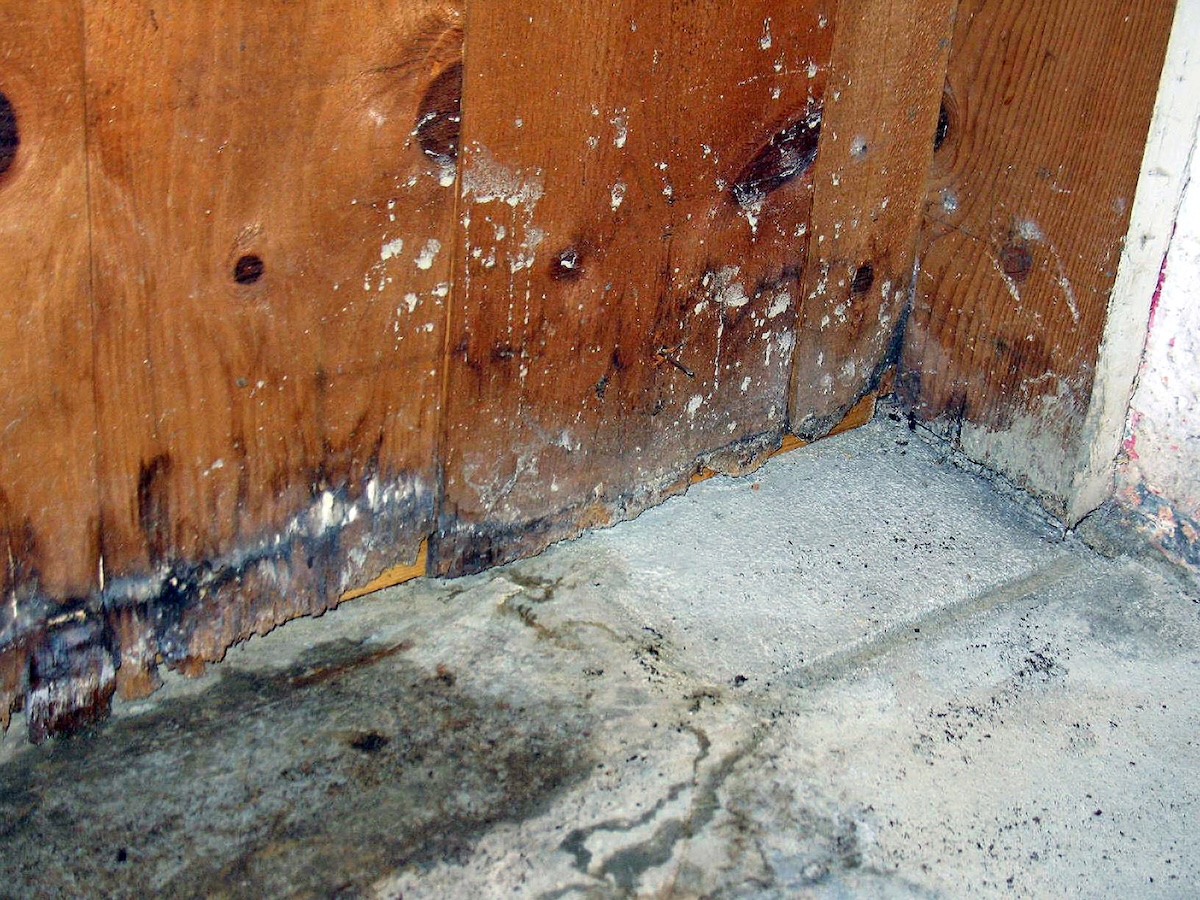
Mold can begin growing in as little as 24 hours after water exposure, especially in warm, humid climates. In Louisiana and Florida, where humidity levels are already elevated, the window is even shorter. Mold growth is not just a cosmetic issue. It triggers respiratory problems, aggravates asthma, and can make a property uninhabitable if left untreated for weeks.
- 24-hour threshold: Mold spores begin colonizing porous surfaces like drywall and carpet within one day of sustained moisture exposure.
- 48-hour mark: Structural materials including subflooring, wall studs, and ceiling joists begin absorbing water at a rate that makes drying increasingly difficult.
- 72+ hours: Secondary damage accelerates, restoration costs climb significantly, and some materials may need full replacement rather than drying and cleaning.
What Does Water Damage Actually Cost Homeowners?
Water damage restoration costs vary widely depending on the source, the extent of the damage, and how quickly the response begins. Minor incidents involving a single room may run $1,500 to $5,000. Major events such as post-hurricane flooding or sewer backups can push costs to $50,000 or higher for full structural and content cleanup.
- Category 1 (clean water): Costs typically range from $1,500 to $5,000 and involve clean sources like supply line breaks or appliance malfunctions.
- Category 2 (grey water): Includes washing machine overflows or dishwasher leaks and typically runs $4,000 to $10,000 due to contamination concerns.
- Category 3 (black water): Sewage backups, flooding, and storm surge fall here, with costs ranging from $10,000 to $50,000 or more depending on scope.
6 Water Damage Clean Up Steps to Take Right Away
Taking the right actions in the right order is what separates a controlled restoration from a prolonged disaster. These six steps are the foundation of every effective water damage response, whether you are dealing with a broken pipe in a Baton Rouge rental unit or storm flooding in a Punta Gorda home. Follow them closely to protect your safety, your property, and your claim.
1. Shut Off the Water Source and Cut Electrical Power
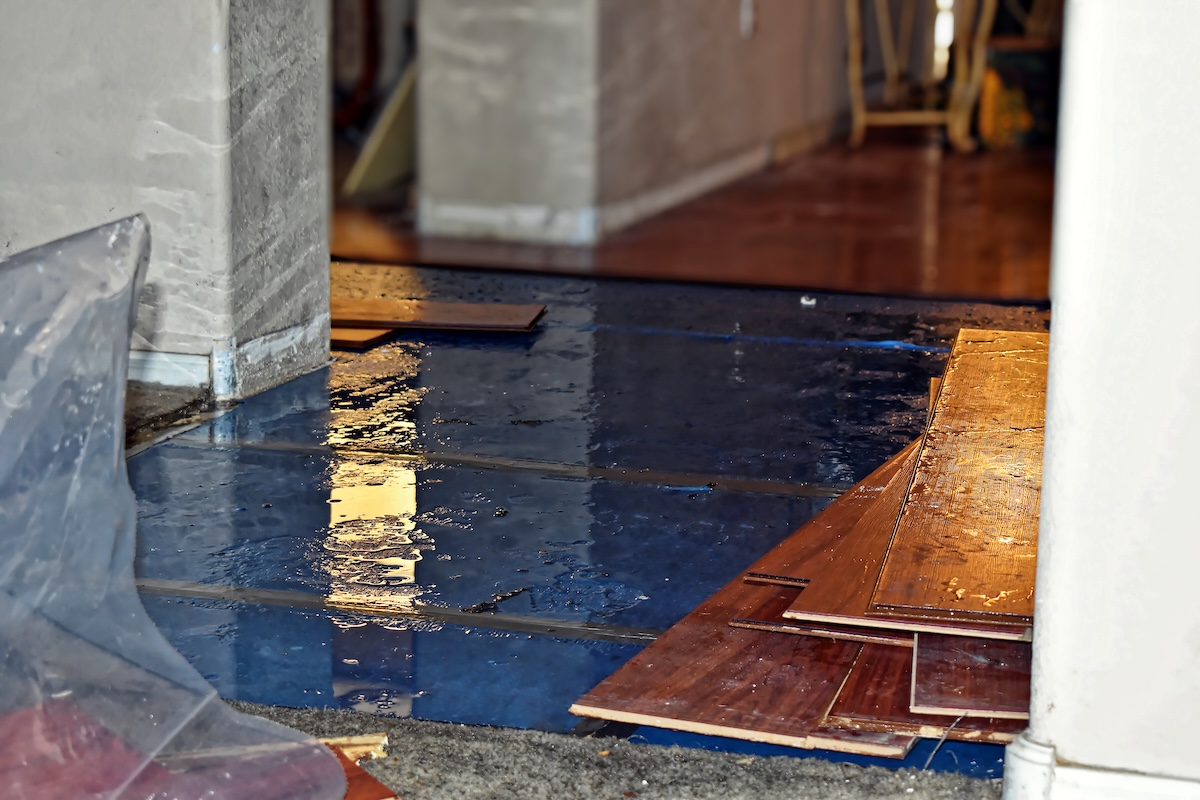
The first step in any water damage response is stopping the source and making the environment safe to enter. If the water is coming from a supply line, pipe burst, or appliance, find your main shutoff valve and turn it off immediately. At the same time, cut electrical power to the affected areas at your breaker box. Standing water and live electricity are a deadly combination, and no amount of property damage is worth risking electrocution. Do not re-enter flooded rooms until you are certain power is off and the structural integrity of floors and ceilings is sound.
- Main shutoff valve: Typically located near the water meter, in a utility closet, or in the basement. Know its location before an emergency occurs.
- Breaker box safety: Flip breakers for all rooms that have standing water or suspected moisture intrusion, not just the room where damage is visible.
- Structural check: Look for sagging ceilings, buckled floors, or cracked walls before re-entering. If in doubt, wait for a professional assessment.
- Flood source exceptions: If the water source is external flooding from a storm, do not attempt to enter a structure until local authorities confirm it is safe.
2. Document Everything Before You Move Anything
Before a single towel hits the floor or a piece of furniture gets shifted, take thorough documentation of all damage. Photos and video are the backbone of a successful insurance claim, and adjusters look for evidence of the pre-cleanup condition of the property. Walk through every affected room and record water levels, damaged materials, soaked belongings, and visible structural issues. Upload everything to cloud storage immediately so records are preserved even if devices are lost or damaged.
- Photo angles: Capture wide shots showing the full room context, mid-range shots of damaged materials, and close-up shots of specific items like appliances, flooring, and walls.
- Video walkthrough: Record a steady, narrated walkthrough of each affected room, noting the date and time verbally in the recording.
- Inventory of belongings: List all damaged personal property with make, model, and estimated value. This speeds up contents claims significantly.
- Written notes: Document the suspected cause of the water damage, when you first discovered it, and any emergency actions taken before the adjuster arrives.
3. Extract Standing Water as Quickly as Possible
Once the area is safe and documentation is complete, water extraction begins. Every gallon of water left standing accelerates damage to flooring, walls, and substructure. Wet-dry shop vacuums work for small areas, but significant flooding requires submersible pumps or truck-mounted extraction units capable of moving hundreds of gallons per hour. In Punta Gorda and surrounding areas, post-storm flooding often demands professional-grade equipment that most homeowners do not have access to. Getting water out fast is the single most impactful thing you can do to limit total damage.
- Shop vacuums: Appropriate for surface water in small rooms or contained spills. Empty frequently and do not use standard household vacuums around water.
- Submersible pumps: Best for basements or rooms with several inches of standing water. Units rated at 1,500 to 2,500 GPH are effective for residential flooding.
- Professional extraction: Truck-mounted units provide the fastest, most thorough removal and are the standard for Category 2 and Category 3 water events.
- Flooring priority: Remove saturated rugs, carpet, and carpet padding immediately after extraction. These materials hold moisture and accelerate mold growth even after surface water is gone.
4. Dry Out Structural Materials and Ventilate the Space
Extraction removes visible water, but moisture trapped inside walls, subfloors, and ceiling cavities requires active drying to prevent mold and structural decay. Industrial air movers and dehumidifiers are the standard tools for this phase. Position air movers to create airflow across wet surfaces and direct dehumidifiers to pull moisture from the air. Open windows and doors where weather allows to increase ventilation. In humid Gulf Coast climates, running dehumidifiers around the clock for 48 to 72 hours is often necessary to reach acceptable moisture levels.
- Air movers: Position at a 45-degree angle toward wet walls and floors to maximize surface evaporation. Plan for one unit per 50 to 75 square feet of affected area.
- Dehumidifiers: Commercial-grade units pull 70 to 130 pints of moisture per day. Empty collection tanks or connect to a drain line to run continuously.
- Moisture meters: Use a pin-type or pinless moisture meter to test wall cavities, subfloors, and framing. Readings below 16% moisture content are generally the target for structural wood.
- Flood cuts: In cases of significant wall saturation, drywall is cut 12 to 24 inches above the highest wicking point to expose wall cavities and allow direct drying of structural framing.
5. Remove Damaged Materials and Clean All Surfaces
Once structural drying is underway, damaged materials need to be removed to prevent further contamination. Saturated drywall, insulation, and flooring that cannot be dried within 48 hours are typically removed and disposed of. Any materials showing signs of mold growth should be handled carefully using proper personal protective equipment including gloves, N95 respirators, and eye protection. All remaining hard surfaces should be cleaned and treated with an EPA-registered antimicrobial to kill bacteria and inhibit future mold growth.
- Drywall removal: Cut along stud lines to create clean, straight edges that make reinstallation easier and reduce material waste.
- Insulation disposal: Fiberglass and cellulose insulation cannot be effectively dried or cleaned once saturated. Bag and dispose of it immediately.
- Antimicrobial treatment: Apply an EPA-registered biocide to all cleaned structural surfaces before any reconstruction begins. This step is required under IICRC S500 standards for Category 2 and Category 3 water events.
- PPE requirements: Anyone handling water-damaged materials, especially from grey or black water sources, should wear rubber gloves, N95 masks, and waterproof boots at minimum.
6. Contact Your Insurance Company and a Licensed Contractor
Restoration work and insurance claims must happen in parallel, not sequentially. Notify your insurance provider as soon as it is safe to do so, ideally within the first 24 hours. Most policies require timely reporting, and delays can complicate or reduce your payout. At the same time, engage a licensed general contractor who specializes in water damage restoration to assess structural damage, manage subcontractors, and ensure work meets local building codes. In Louisiana and Florida, J.E.S. Inc. works directly with homeowners, adjusters, and insurance agents to streamline the process from initial response through full reconstruction.
- Policy review: Check your coverage for flood versus water damage distinctions. Standard homeowner policies often cover sudden water damage but exclude flooding, which requires a separate NFIP or private flood policy.
- Adjuster communication: Provide your full documentation package, including photos, video, and inventory, to your adjuster as early as possible to avoid back-and-forth delays.
- Licensed contractor selection: Verify that any contractor you hire holds the appropriate state contractor license, carries general liability insurance, and has experience with insurance-related restoration work.
- Scope of work agreement: Get a detailed written scope of work before any reconstruction begins. This protects you and ensures the insurance settlement aligns with actual repair costs.
How to Prevent Future Water Damage to Your Home or Property
The best water damage response is the one you never have to make. Routine maintenance and proactive upgrades significantly reduce the risk of interior flooding from common sources like aging pipes, failing appliances, and roof leaks. Homeowners and commercial property managers who invest in prevention spend far less over time than those who repeatedly deal with the aftermath.
What Maintenance Reduces Water Damage Risk the Most?
Regular inspection of plumbing, roofing, and drainage systems catches problems before they become emergencies. The EPA estimates the average home leaks nearly 10,000 gallons of water per year through minor drips and failures, most of which are preventable with annual maintenance. In Gonzales, LA and surrounding areas, seasonal storm prep adds another layer of urgency before hurricane season begins each June.
- Plumbing inspections: Have supply lines to appliances, water heaters, and fixtures inspected annually. Replace braided stainless hoses every 5 years regardless of visible condition.
- Roof condition: A compromised roof is one of the most common entry points for water during storm events. Inspect for missing shingles, damaged flashing, and clogged gutters every spring.
- Sump pump testing: Test sump pumps before the rainy season begins by pouring water into the pit. Install a battery backup unit to maintain function during power outages.
Are There Early Warning Signs of Water Damage Inside a Home?
Water damage rarely announces itself loudly. More often, it shows up as subtle staining, soft spots in flooring, or an unexplained musty smell long before visible flooding occurs. Catching these early signs can mean the difference between a $500 repair and a $15,000 restoration.
- Water stains: Yellow or brown ceiling and wall staining indicates a slow leak from plumbing or roof penetrations that has been ongoing for some time.
- Soft or spongy flooring: Subfloor moisture causes hardwood to cup or buckle and makes tile grout crack. Press test suspicious areas by applying gentle foot pressure.
- Musty odor: A persistent musty smell in enclosed spaces like closets, crawlspaces, or bathrooms is a strong indicator of active mold growth from hidden moisture.
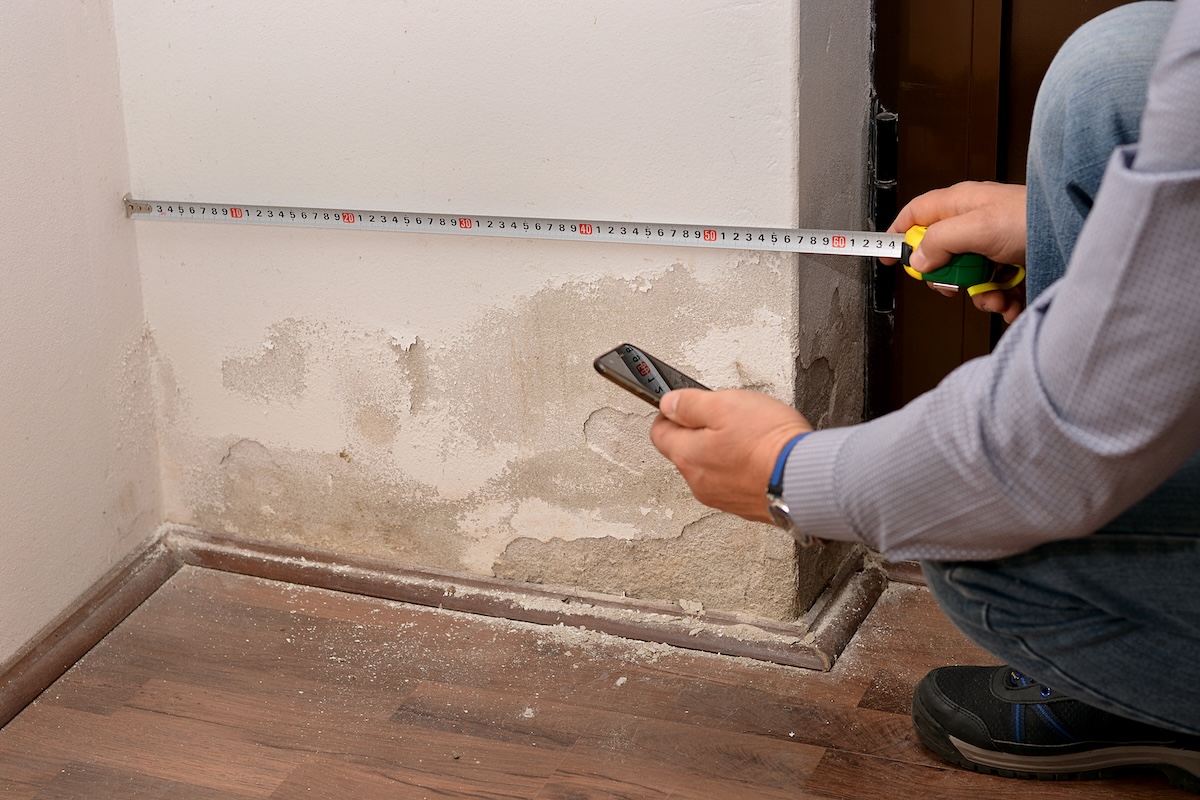
- Peeling paint or bubbling drywall: Moisture trapped behind walls pushes paint and drywall compound away from the substrate, creating visible bubbles or peeling edges.
Frequently Asked Questions About Water Damage Clean Up
How Long Does Water Damage Restoration Take?
The timeline depends on the severity of the damage and the water category involved. Minor incidents with clean water in a single room can be dried and restored in 3 to 5 days. Major flooding involving multiple rooms, structural framing, or black water contamination typically takes 2 to 6 weeks from initial extraction through final reconstruction. Your contractor and adjuster will establish a scope-based timeline once the damage is fully assessed.
Can I Do Water Damage Clean Up Myself?
Small, contained incidents involving clean water on non-porous surfaces can often be handled with consumer equipment and a shop vacuum. However, any flooding involving grey or black water, mold growth, structural saturation, or insurance claims should involve a licensed restoration contractor. DIY attempts on larger jobs frequently miss hidden moisture in wall cavities, which leads to mold problems that cost more to fix than the original restoration would have.
Does Homeowner Insurance Cover Water Damage?
Most standard homeowner policies cover sudden and accidental water damage from interior sources like burst pipes or appliance failures. They typically do not cover flooding from external sources, which requires a separate flood insurance policy through the National Flood Insurance Program (NFIP) or a private carrier. Review your declarations page carefully and speak with your agent to understand exactly what your policy covers before an event occurs.
How Do I Know If My Floors or Walls Need to Be Replaced After Water Damage?
Materials that remain saturated beyond 48 hours, show visible mold, or have lost structural integrity generally need to be replaced rather than dried. A licensed contractor will use moisture meters to test wall cavities and subfloors. Readings consistently above 16 to 19 percent moisture content in wood framing indicate the material cannot be adequately dried in place and removal is recommended.
What Is the Difference Between Water Mitigation and Water Restoration?
Water mitigation refers to the emergency phase of stopping further damage, which includes extraction, drying, and removing compromised materials. Water restoration refers to the full reconstruction phase, including replacing drywall, flooring, cabinetry, and finishes to return the property to its pre-loss condition. Many contractors handle both phases, which streamlines the overall process and reduces the number of vendors involved in your claim.
How Soon Should I Call a Professional After Water Damage?
Contact a licensed water damage contractor within the first few hours of discovery, not after you have attempted cleanup on your own. The faster a professional can assess the moisture levels and begin extraction, the lower the total restoration cost and the shorter the overall timeline. Most reputable contractors offer emergency response services around the clock for exactly this reason.
Trust J.E.S. Inc. for Fast, Expert Water Damage Clean Up
When water damage strikes your home or commercial property, the team you call in the first hours shapes everything that comes after. J.E.S. Inc. is a full-service general contractor with more than 50 years of experience responding to water damage, storm events, and large-loss disasters across Louisiana, Florida, and beyond. From emergency extraction and structural drying to full reconstruction and insurance coordination, J.E.S. manages every phase of the restoration so property owners can focus on getting back to normal.
Serving homeowners and commercial clients in Gonzales, Punta Gorda, and surrounding areas, the J.E.S. team works directly with insurance adjusters and agents to make the claims process as smooth as possible. Every crew member is trained in the IICRC S500 standard for professional water damage restoration, and every job is backed by the responsiveness and accountability that a family-owned business delivers.
Do not wait for the damage to get worse. Contact J.E.S. Inc. today for emergency water damage response, a free damage assessment, and expert guidance through every step of the restoration process.